ÉmileVallée
Film editor. Montréal.
A film is written three times.
FirstOnce on the page.
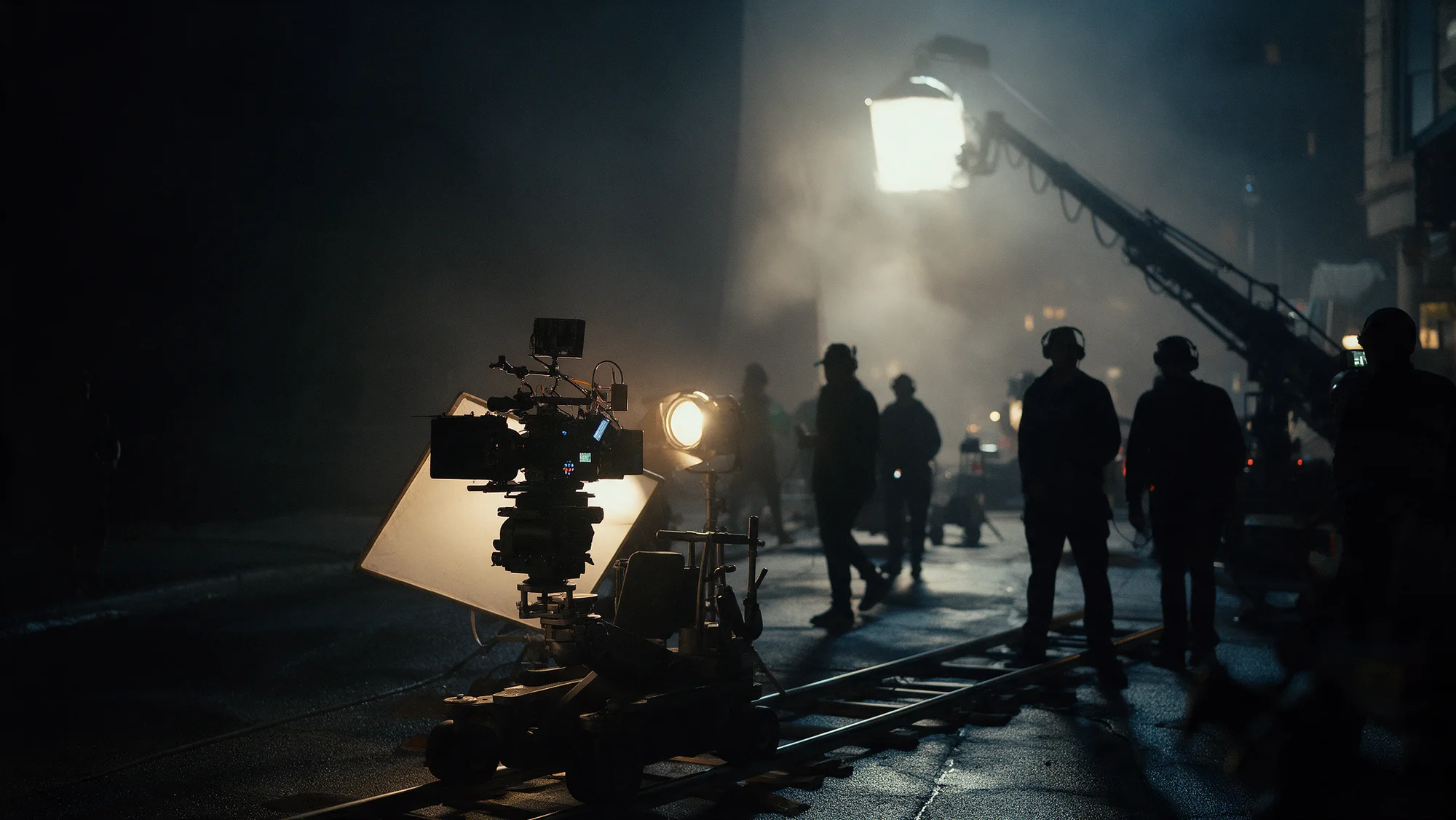
SecondOnce on set.
And once more in the cutting room.
The third writing is the one the audience actually watches. It is the one I do.
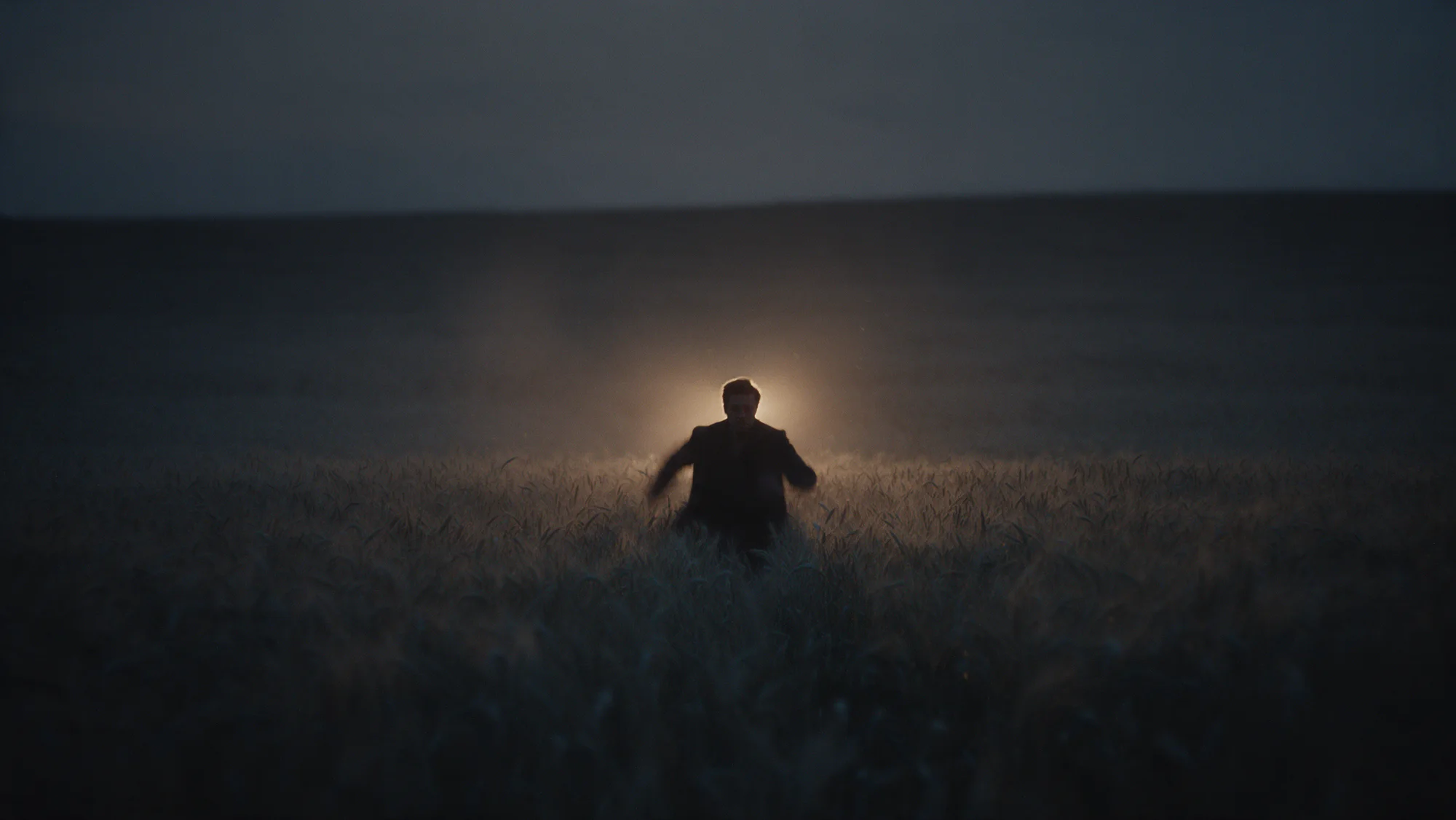
FeatureLong form. The cut you never notice.
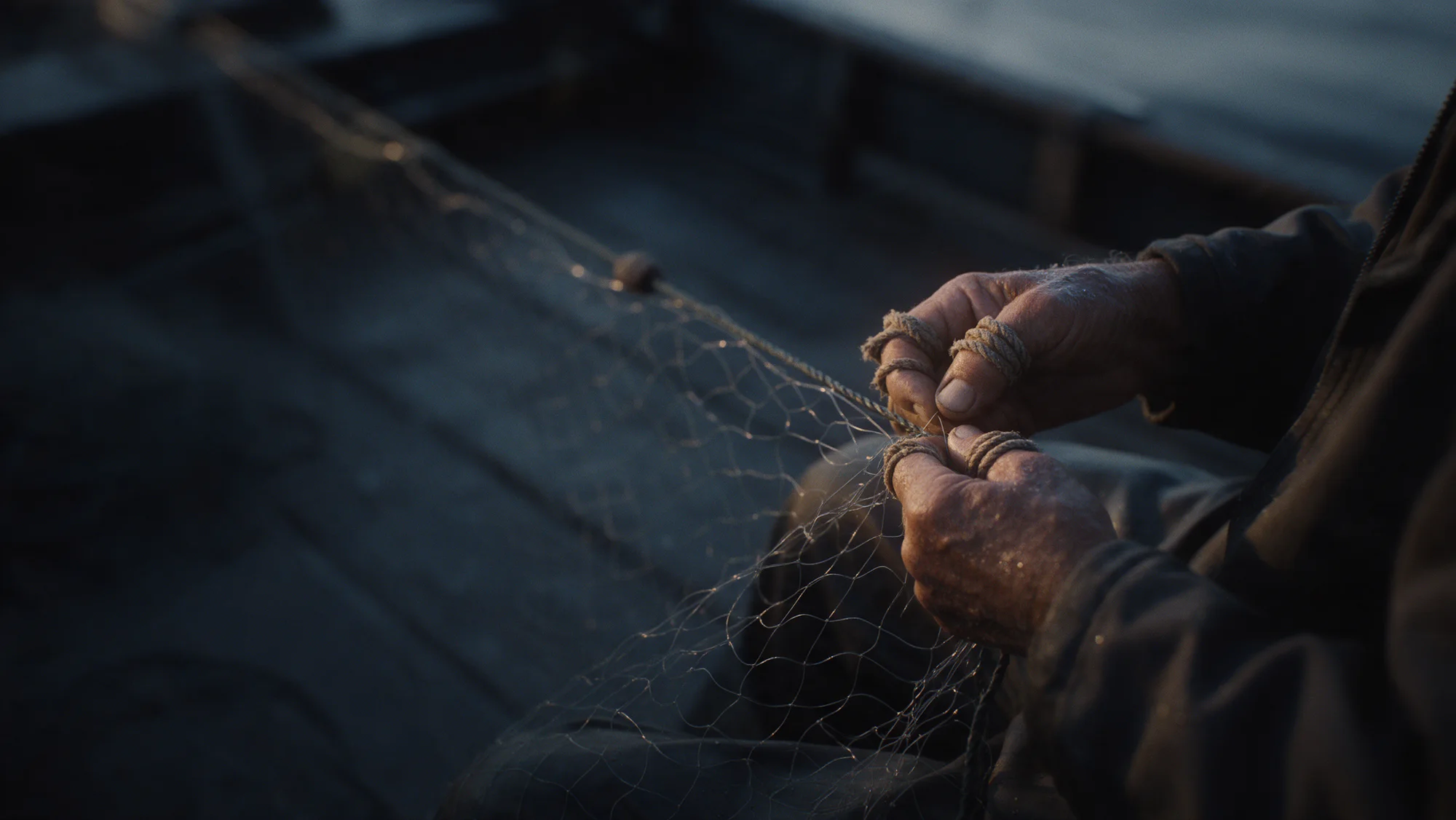
DocumentaryFound in the footage, not the script.
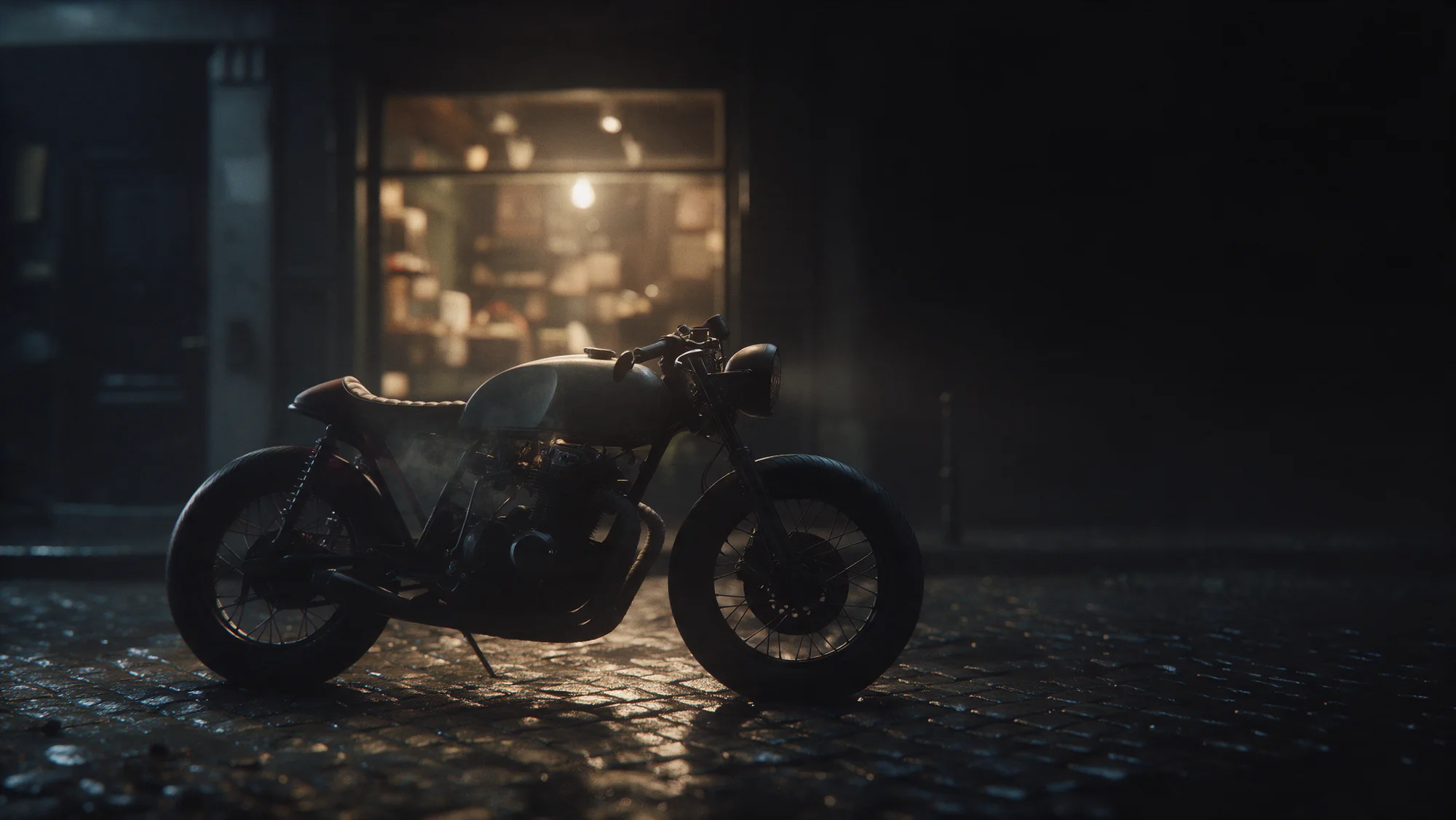
CommercialThirty seconds. Nothing wasted.
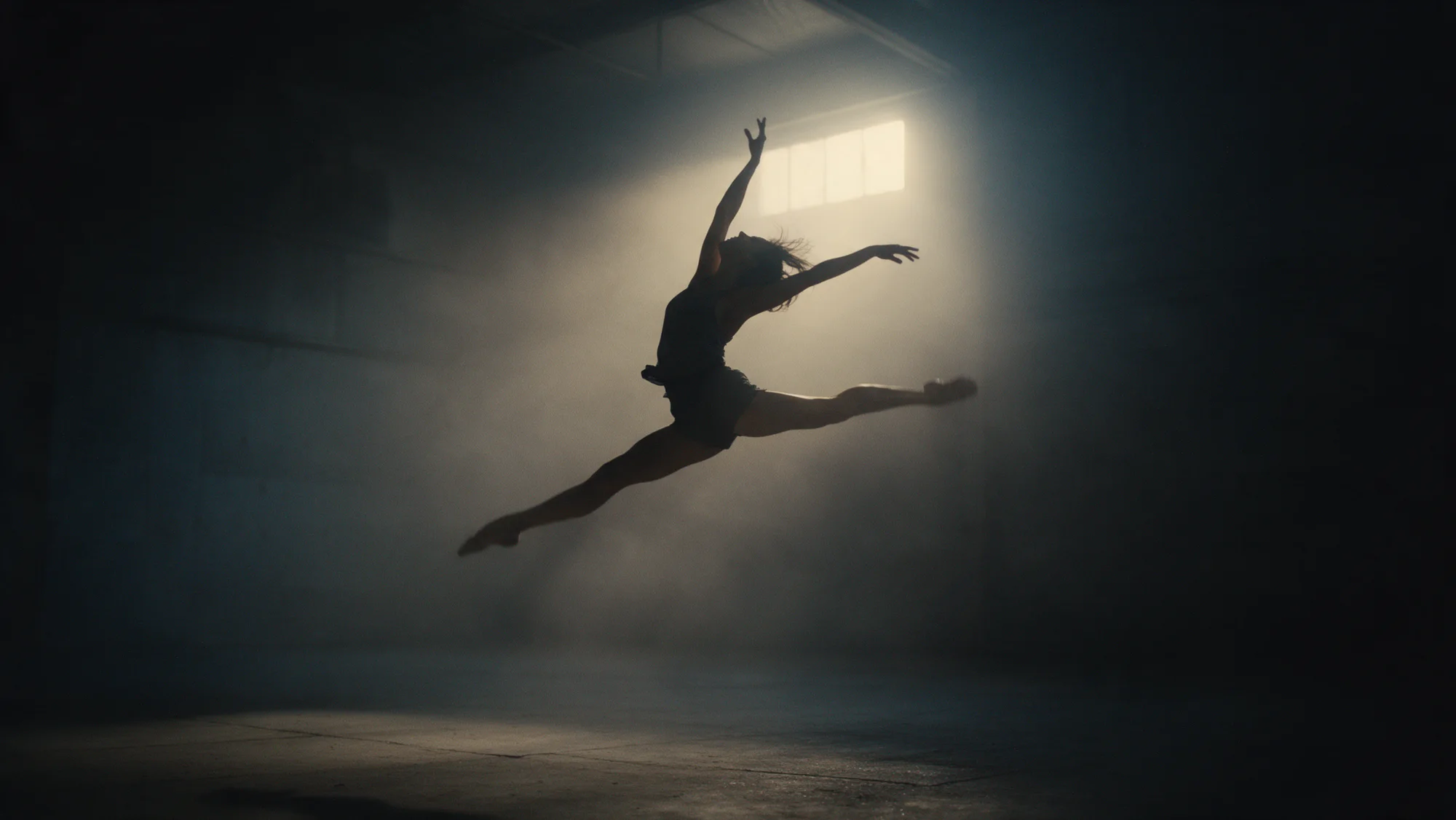
Music videoCut to the beat, then against it.
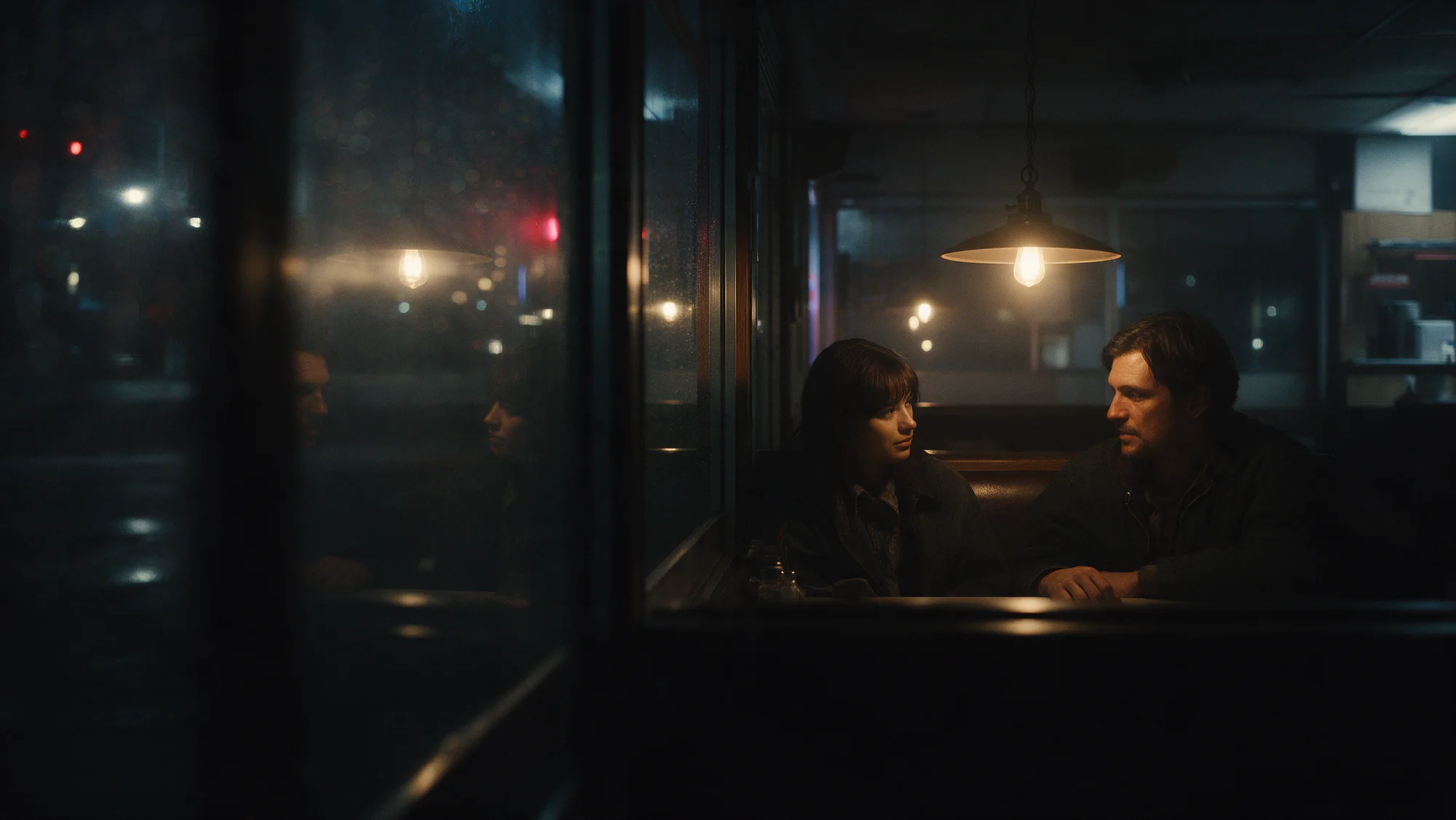
SeriesThe same pulse, episode after episode.
Cut to:

Every cut is a decision about time.
You will see the film.
You will not see the cuts.
Assembly
Every usable take, in story order. Long, honest, and the only place the film can still be anything.
Rough cut
The shape appears. Scenes earn their place or leave. Length falls by half and nobody misses it.
Fine cut
Frames, not scenes. The pause before a line. The look held two frames longer. Rhythm becomes meaning.
Picture lock
Nothing moves again. Sound, music and colour build on a foundation that will not shift under them.
Avid Media Composer · Adobe Premiere Pro · DaVinci Resolve
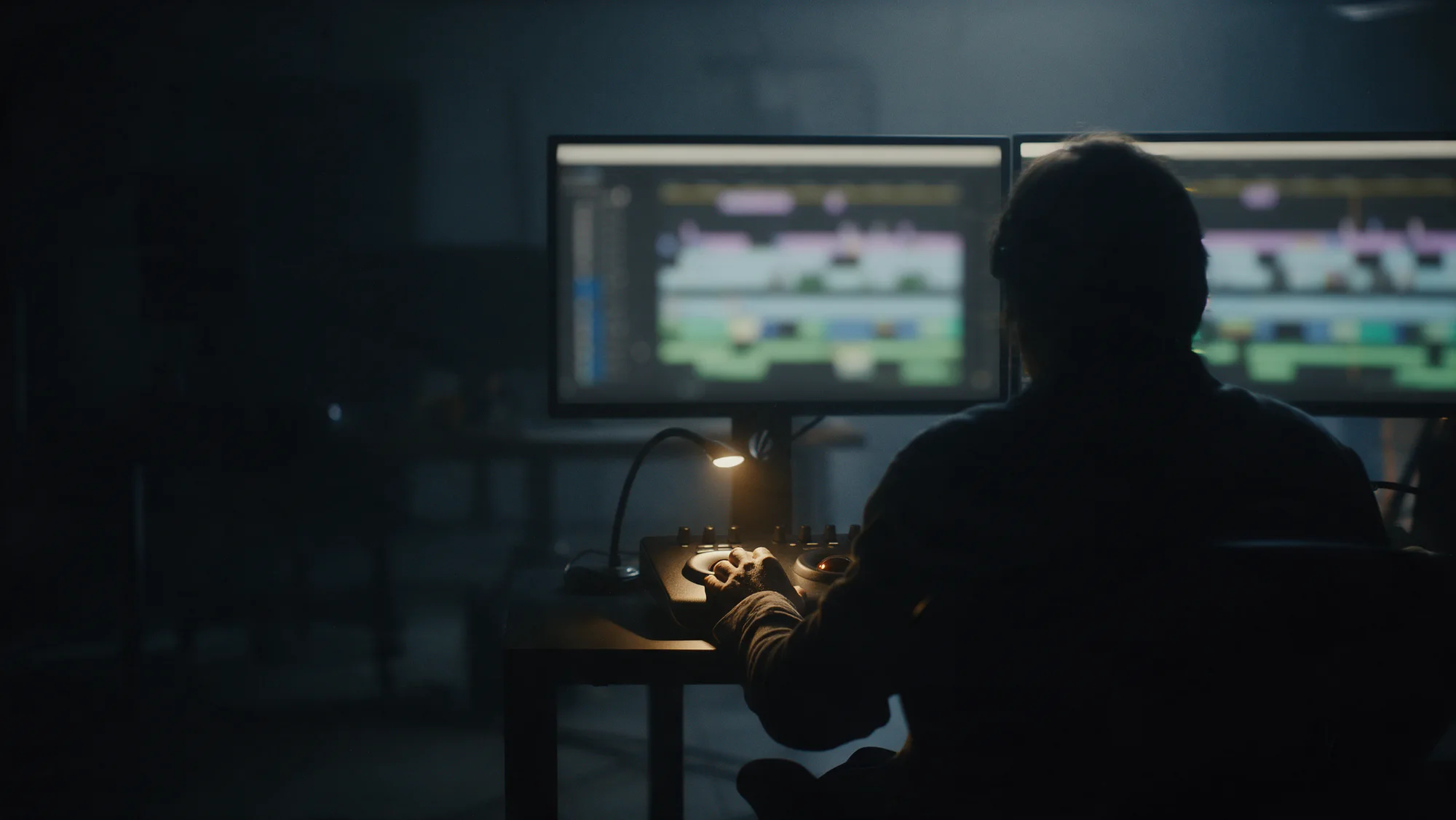
The roomMontréal, or wherever the footage is. Features, series, documentary, commercial, music.